


Gauge Measurement Problems
Learn how environmental factors can affect your testing, and how to recognize them. Included are: the moving tube problem; the pinched tube problem; getting water in your tube; and, finally,…
Learn how environmental factors can affect your testing, and how to recognize them. Included are: the moving tube problem; the pinched tube problem; getting water in your tube; and, finally,…

DM32 interface and operation– Running a Retrotec or MN fan– Using Virtual Gauge, GaugeRemote, and Data Logger– Calculating results https://youtu.be/oFZfX-D_gHA Running a Retrotec or MN Fan Physical Controls: The touchscreen…

Key Takeaways Set Clear Testing Targets Building air-tightness targets: ≤ 3 or 5 ACH50 depending on the code. Duct leakage limits: ≤ 8 CFM25 per 100 ft² for total, and ≤ 4 CFM25 per 100 ft² for duct…
Get Exact Results with the @ Pressure Key The @ Pressure feature allows the DM‑2 to extrapolate airflow (or leakage) results at a precise target pressure—even if the actual pressure hasn’t been…

Step-by-Step Procedure Complete Total Duct Leakage Test First Seal all registers and pressurize ducts to +25 Pa using the DucTester as usual. Set Up House Pressurization Ensure the blower door (or…
Step 1: Choose the Right Device & Range Press Device to select the gauge’s connected equipment (e.g., Retrotec DU200 or other DucTester). Press Range Config to match the actual range…
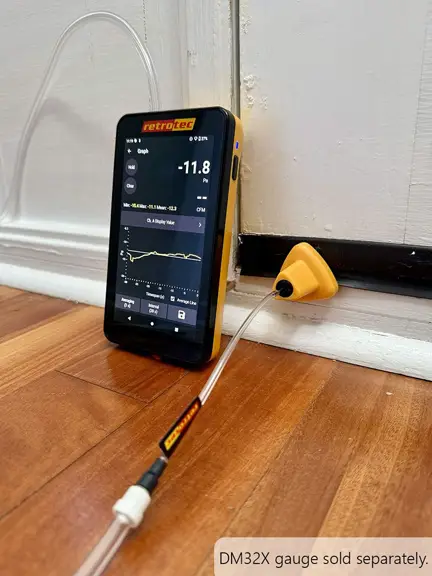
Step-by-Step Process Depressurize the Building Install a blower door in an exterior entrance and pull the house down to –25 Pa relative to outside. Connect the DucTester Attach the duct blower…
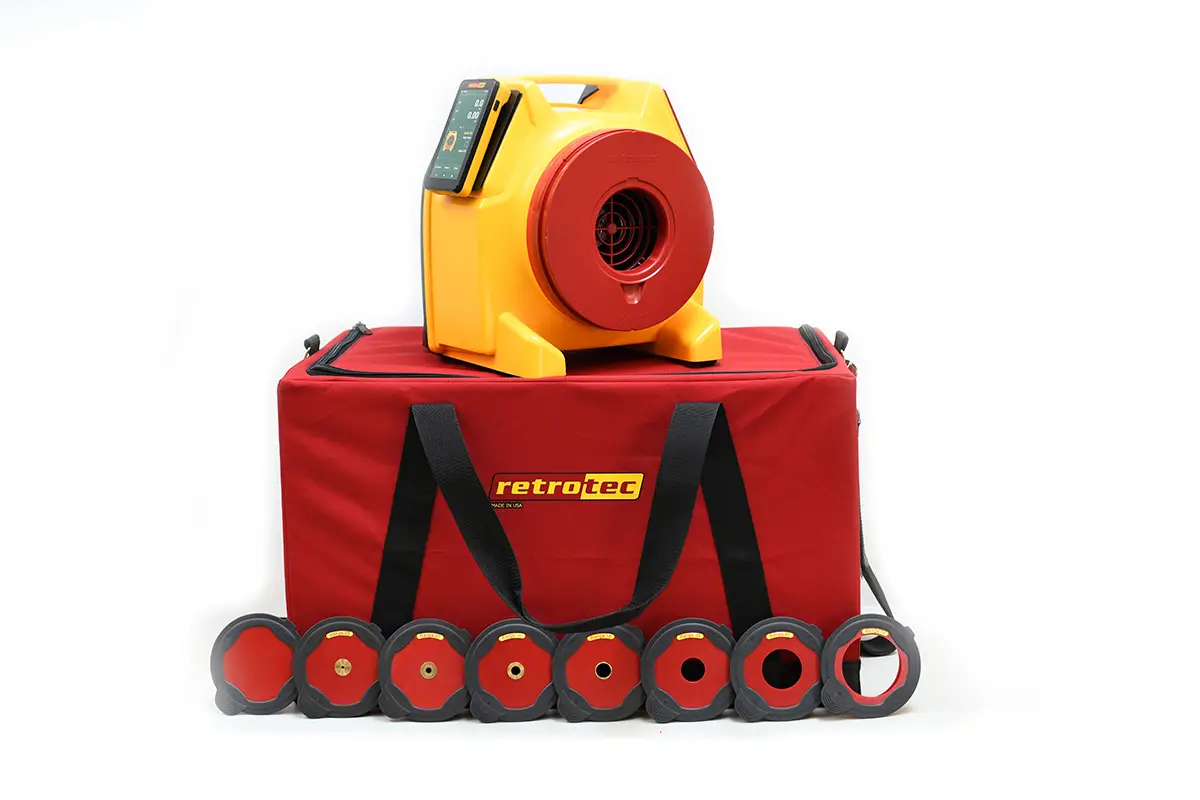
Simulated Setup Overview A compact duct system equipped with adjustable holes, representing common leaks found in real-world HVAC systems. All supply and return registers are sealed, except for the access…
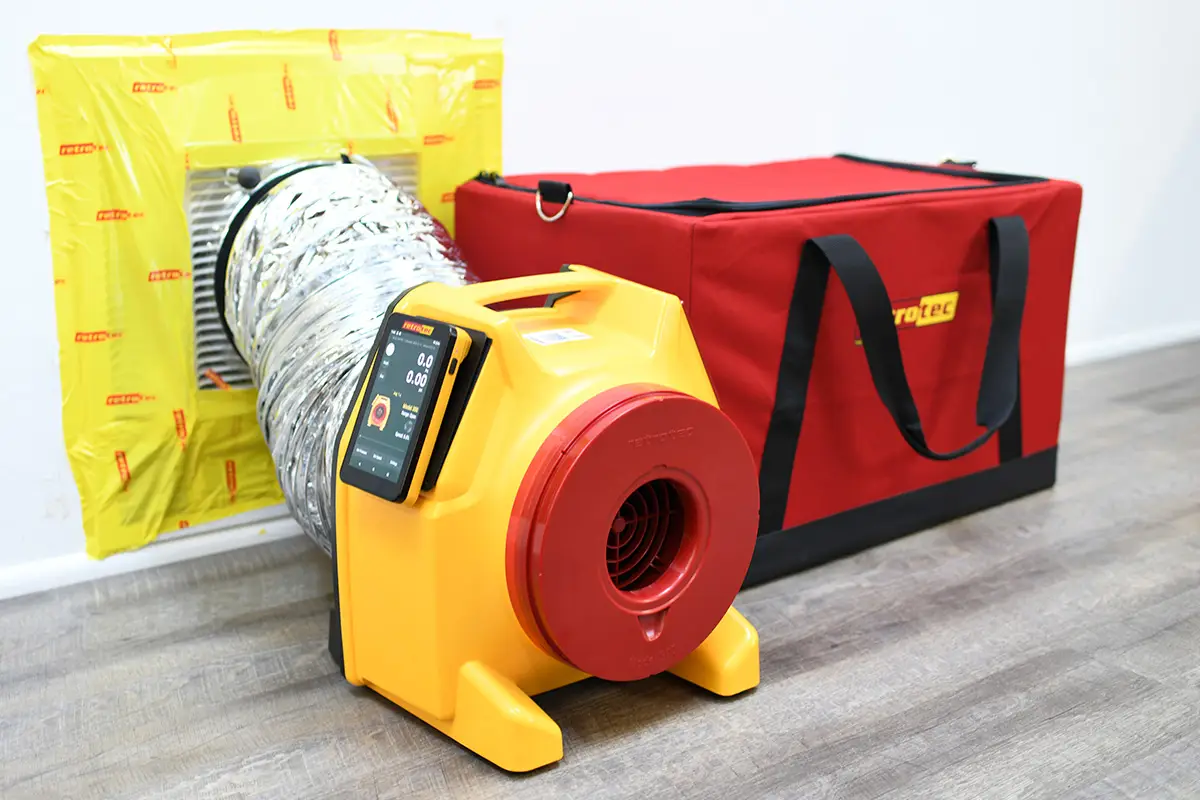
What You”l Learn A video-by-video layout showing the step-by-step progression through duct testing procedures. Directions on how the guide aligns with the printed Quick Guide manual, so you can follow…
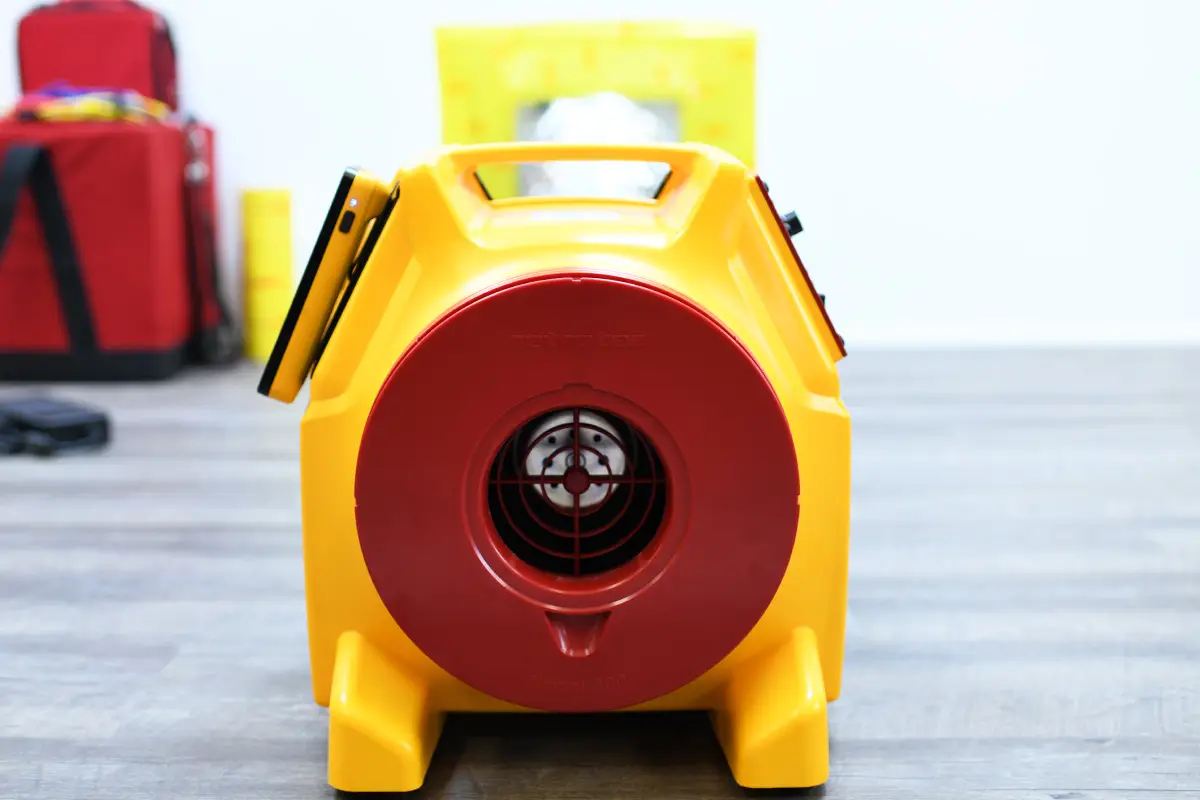
Why Use Both Modes Depressurization tightens connections by pulling the duct panel seals inward—ideal for registering leaks effectively. Pressurization is more convenient in tight spaces and avoids blowing seals off…