

Blower Door 101
Why Test? Quantifies envelope leakage: A blower door determines exactly how much air is leaking at a standard pressure (commonly 50 Pa), offering clear insight into building performance. Locates leaks efficiently:…
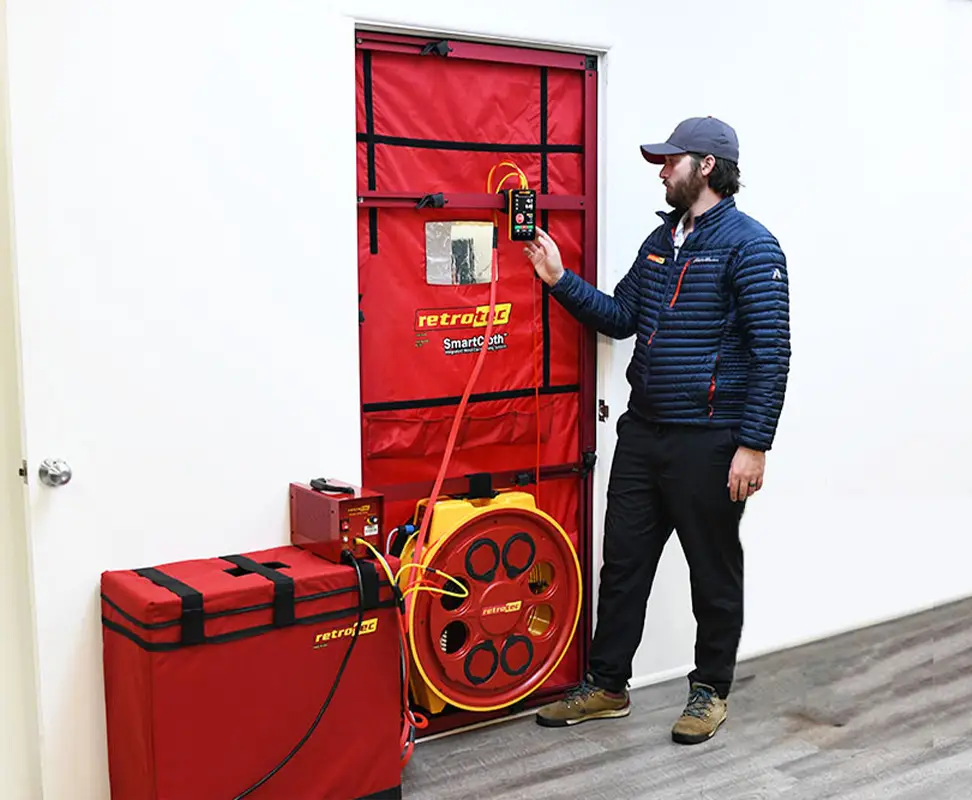
Why Test? Quantifies envelope leakage: A blower door determines exactly how much air is leaking at a standard pressure (commonly 50 Pa), offering clear insight into building performance. Locates leaks efficiently:…
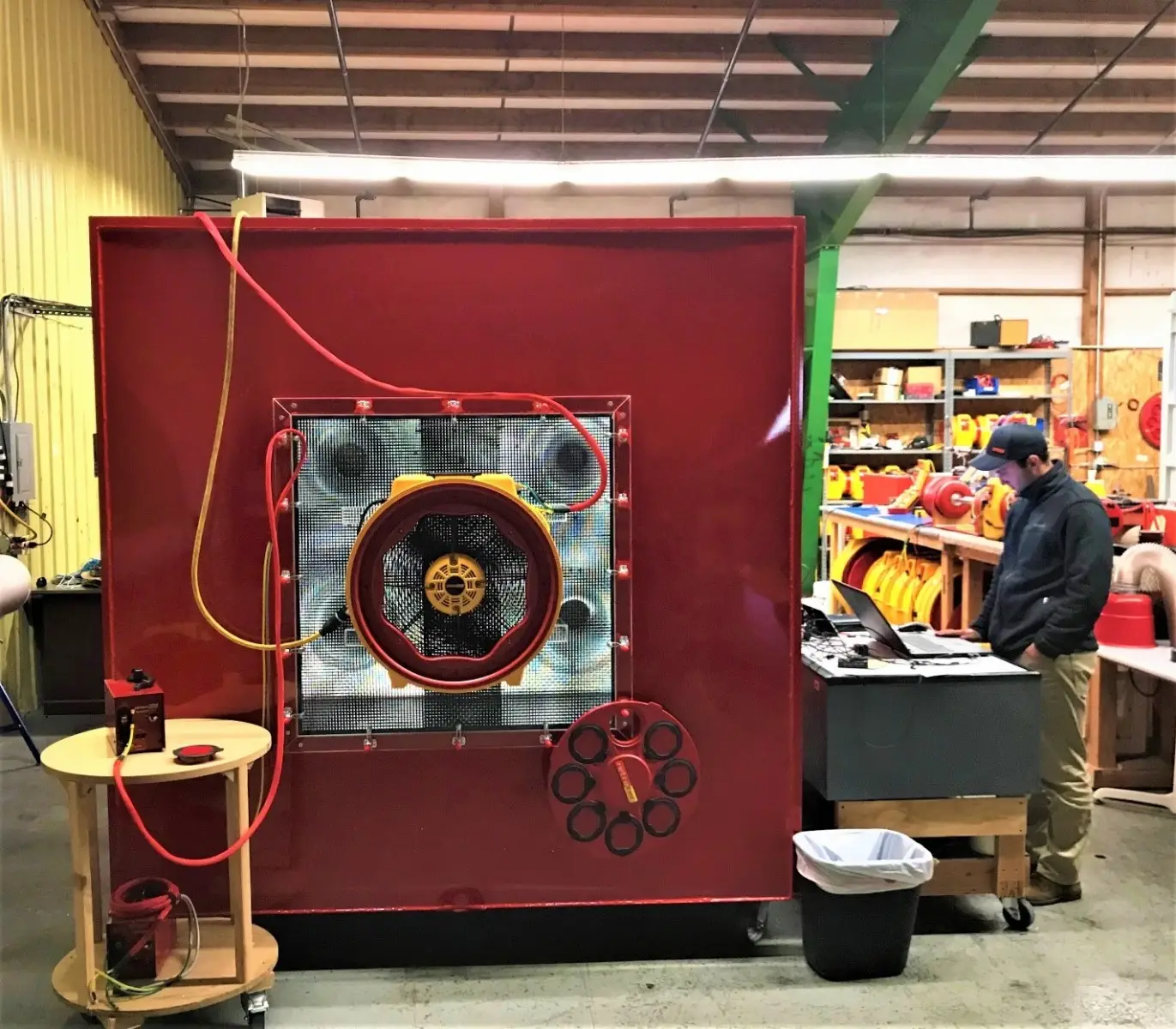
What Happens in the Calibration Laboratory Retrotec calibrates fans and gauges to ISO/IEC 17025 standards, ensuring traceability to NIST and alignment with measurement standards like ASTM E1554 and ANSI/RESNET/ICC 380.…

General requirements for bathroom & kitchen exhaust fans How to use your DucTester as powered flow hood Why the new FlowFinder mk2 is the Gold Standard in testing How to…
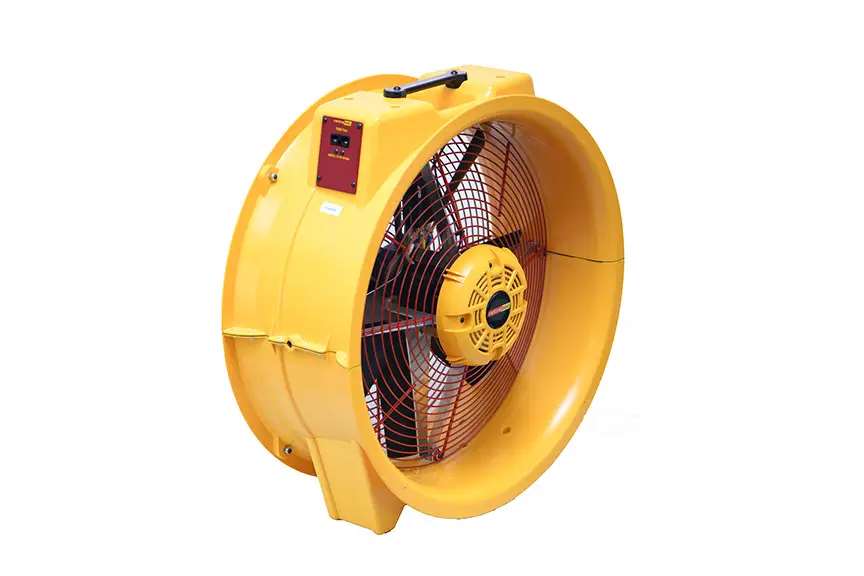
Know the accuracy of your blower door or duct testing fan. Watch a video highlighting: What’s inside the fan (or Fan Deconstructed) Important fan accuracy requirements What factors cause high…
How to use operate the online training – for new users The best way to apply the techniques from the online course Terminology 101 Test your knowledge on the “Jeopardy”…
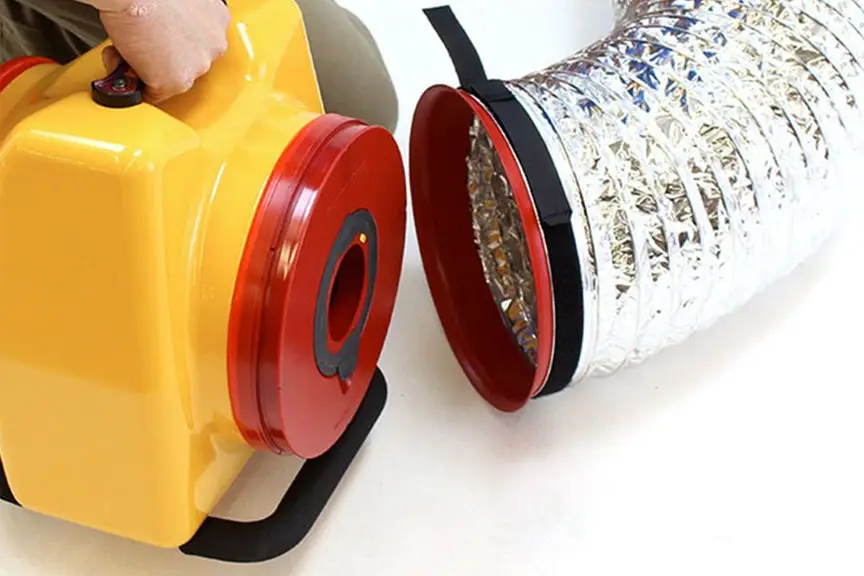
Determining Equipment Accuracy Accuracy in pressure and flow testing requires a clear understanding of both gauge and fan performance: Retrotec calibrates all fans and gauges in an ISO/IEC 17025 accredited…
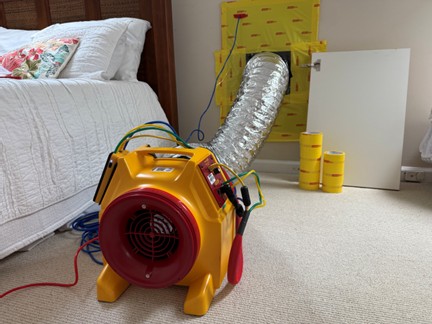
Building Envelope (Blower Door) Testing Under the 2009 IECC, builder compliance with blower-door testing is optional: either perform a test or confirm prescriptive sealing requirements. If chosen: The leakage limit…
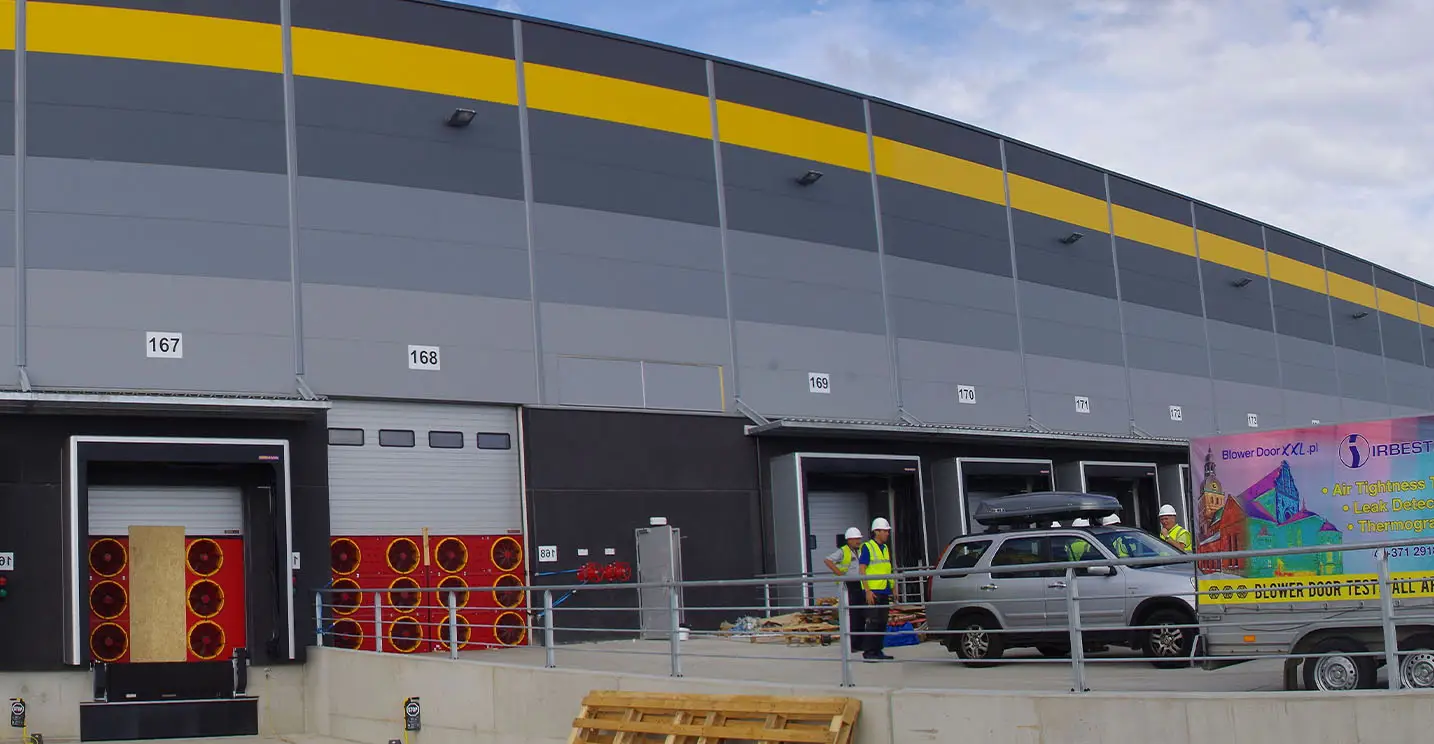
How to Perform Automatic Multi‑Point Tests Use FanTestic to control multiple blower door fans simultaneously at varied pressures. The system automatically steps through 7 test points spaced from 15 Pa to…
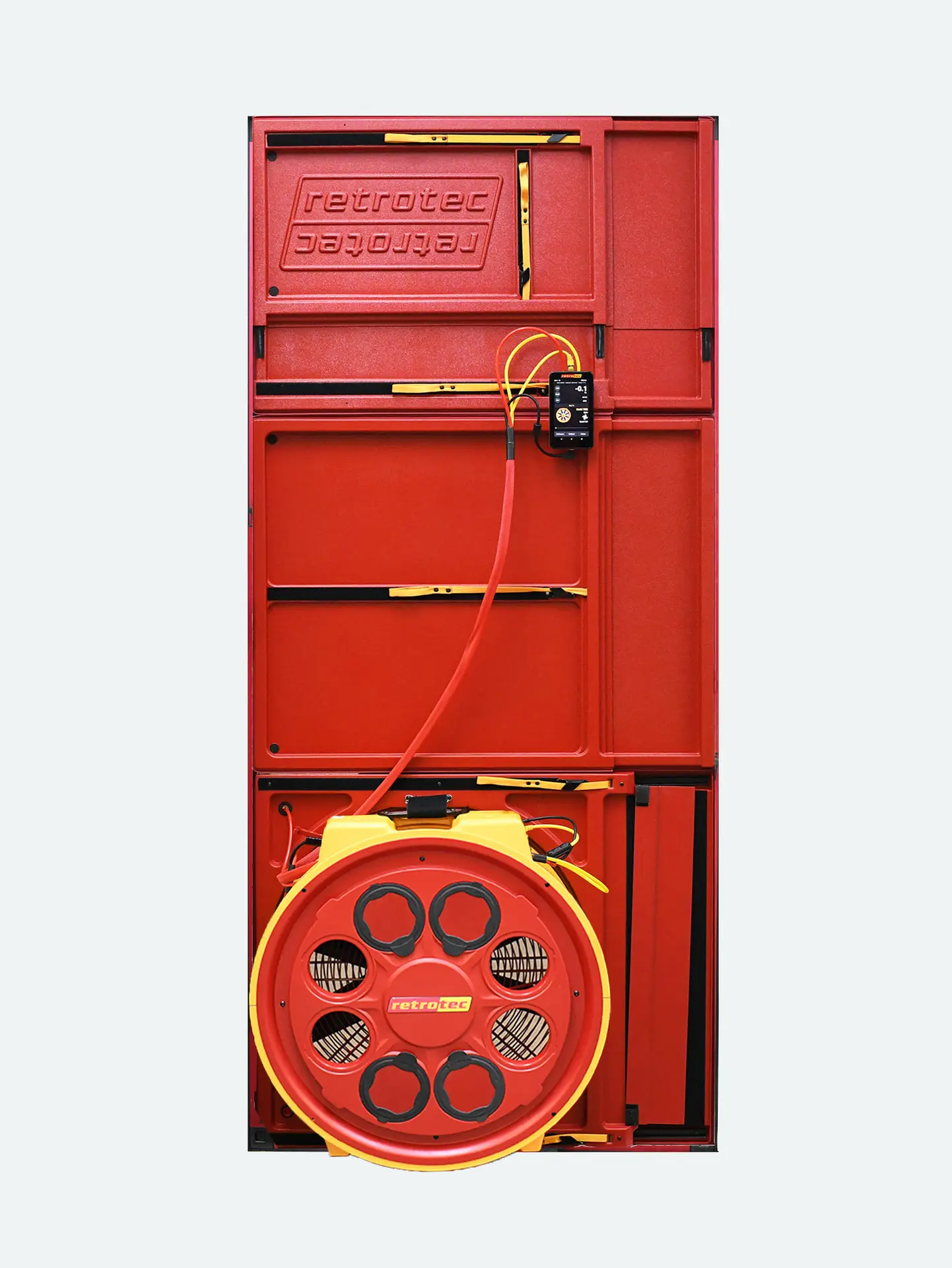
Single-Point & Multi-Point Blower Door Tests Single-Point Test (CF3R‑ENV‑20a): Measures air leakage at a single pressure ≈50 Pa to report ACH50 for compliance documentation. Multi-Point Test (CF3R‑ENV‑20b): Records airflow at several…
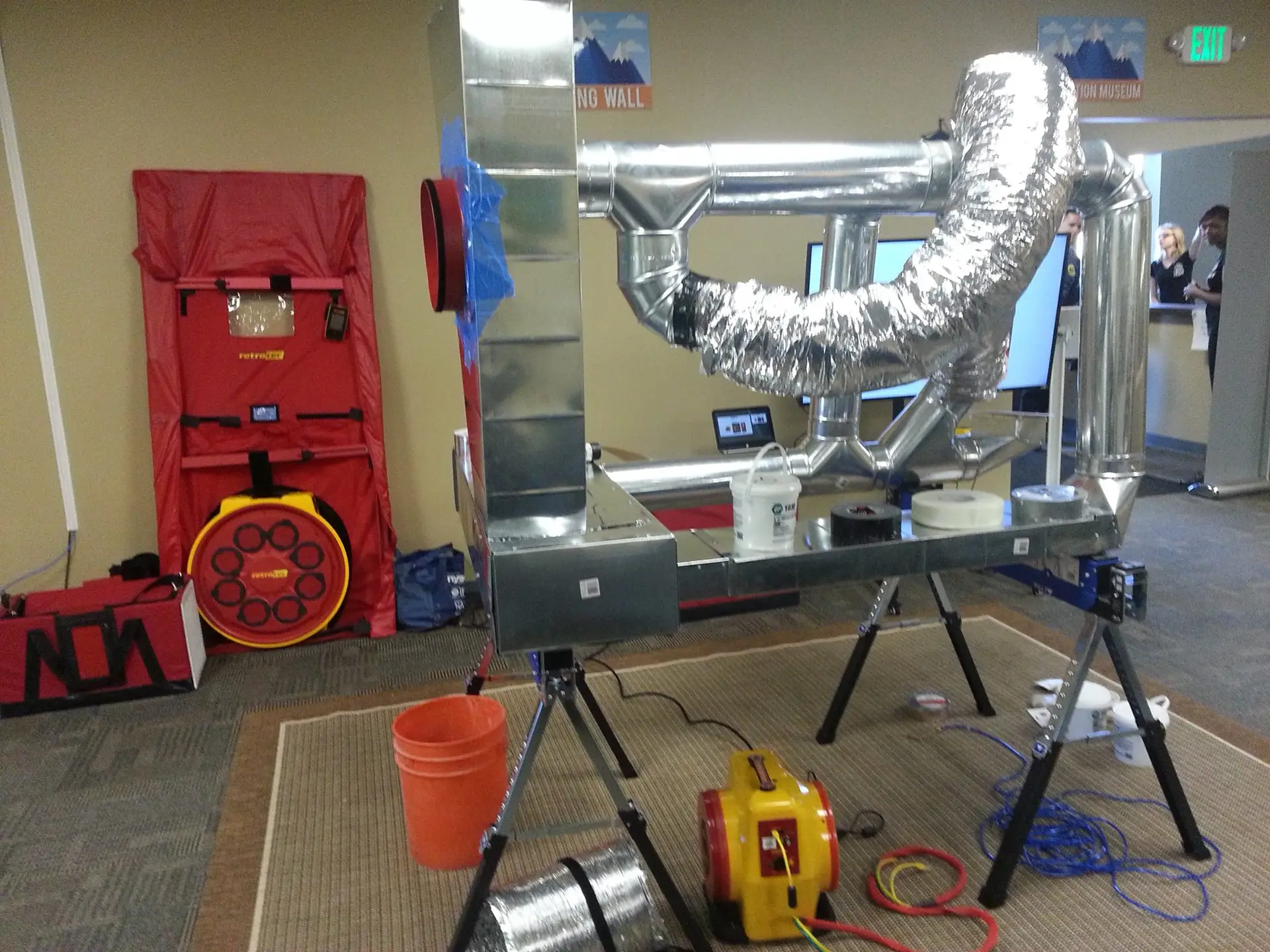
Depressurization vs. Pressurization Tests — Understanding the Difference Both methods are acceptable for duct leakage testing—each with strengths depending on test location and purpose: Depressurization: Creates negative pressure inside the…