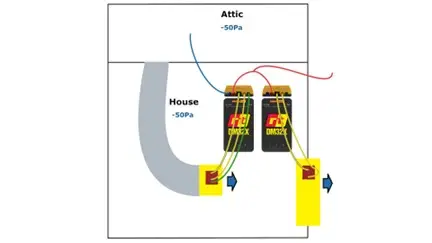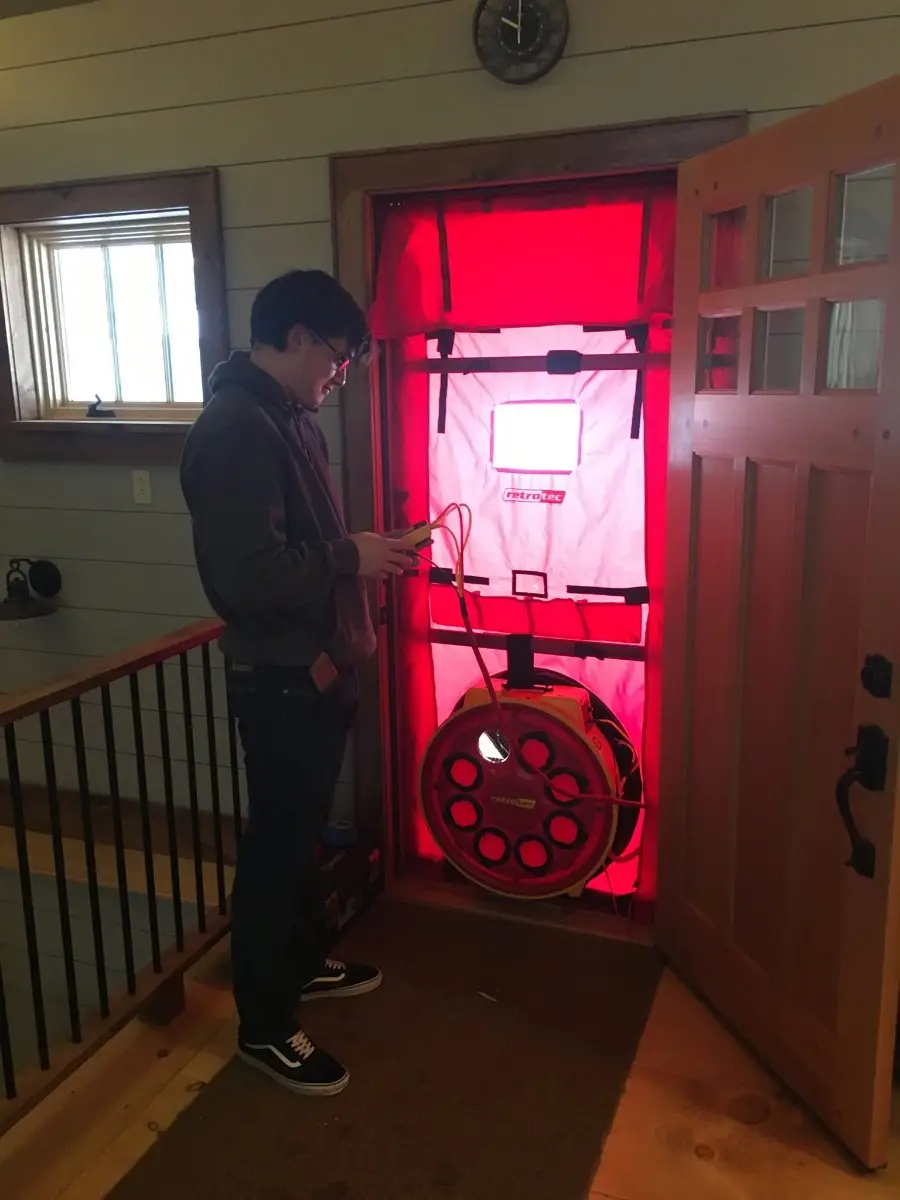
Part 4 of our 5-part series looks at how the FanTestic software can be used to conduct a multi-point test.
Retrotec’s FanTestic software offers a streamlined approach to performing multi-point pressure tests, essential for assessing building airtightness. This video provides a comprehensive walkthrough of setting up and executing a multi-point test using FanTestic.
Setting Up for a Multi-Point Test
Prepare the Equipment: Ensure that the Retrotec gauge is properly connected to the computer running FanTestic.
Select the Appropriate Standard: Choose the testing standard that aligns with your requirements, such as ASTM, ISO 9972, or ATTMA.
Input Building Details: Enter relevant information such as building volume, surface area, and climate zone into the software.
Configure Fan Settings: Set parameters like fan type, range plates, and calibration data to match your equipment.
Performing the Multi-Point Test
Establish Baseline Measurements: Before activating the fan, measure the initial building pressure to account for natural ventilation influences.
Induce Target Pressures: Use the software to set desired pressure targets (e.g., 50 Pa) and allow the fan to adjust accordingly.
Collect Data Points: FanTestic will automatically record data at specified intervals, capturing both pressure and flow readings.
Monitor and Adjust: Continuously observe the test parameters, making adjustments as necessary to maintain consistent conditions.
Analyzing and Reporting Results
Upon completion, FanTestic compiles the collected data into comprehensive reports, including:
Air Changes per Hour (ACH50): Indicates the building’s air tightness.
Flow-Pressure Curves: Visual representations of the relationship between airflow and pressure.
Deviation Statements: Highlights any discrepancies or anomalies during testing.
These reports can be exported in various formats, such as PDF or Excel, for further analysis or client presentation.
Best Practices for Accurate Testing
Calibrate Equipment Regularly: Ensure that all devices are calibrated to maintain measurement accuracy.
Control Environmental Factors: Minimize external influences like wind or temperature fluctuations during the test.
Follow Standard Protocols: Adhere to established testing procedures to ensure consistency and reliability.