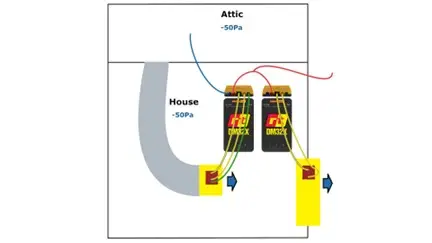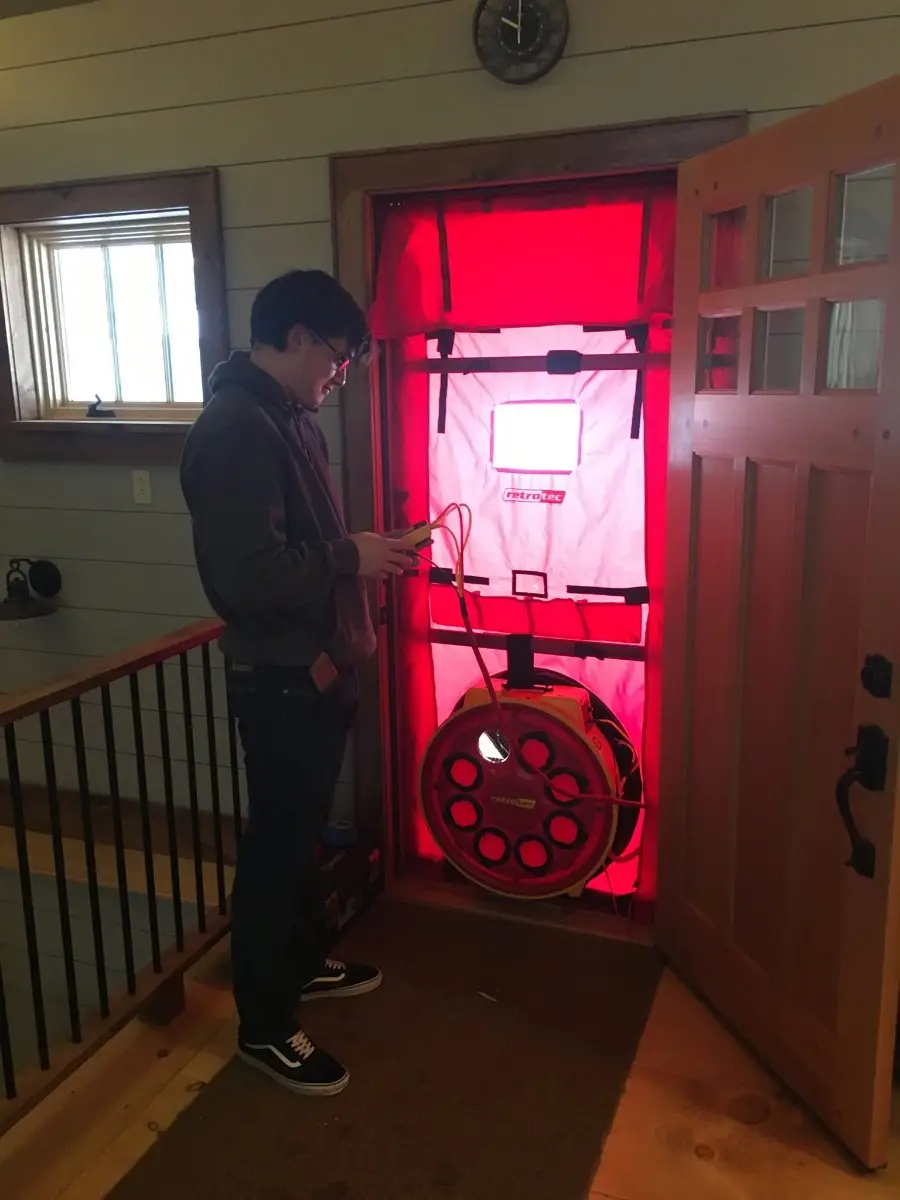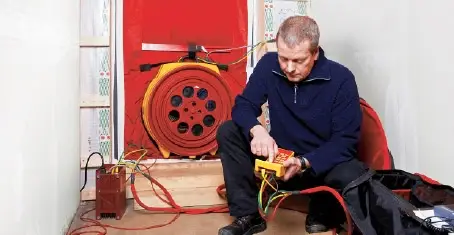
In the fourth installment of the Retrotec Air Current Tester series, the focus turns to the power tiny smoke generator, showcasing how technicians visualize subtle airflow for diagnostics in blower-door and duct tests.
Highlights from the Demo
Equipment setup: The technician begins by positioning the compact smoke generator—powered by Retrotec’s “Power Tiny” unit—near ductwork seams or suspected leakage zones.
Controlled output: A steady stream of fine vapor is emitted, ideal for tracing airflow without overwhelming the space.
Visual leak tracking:
Smoke billows from hidden gaps, around duct collars, and along seams.
Gentle drafts are clearly revealed, displaying direction and strength.
Interpretation phase: Viewers learn how smoke behavior—whether pulling in or puffing out—reveals pressure zones, flow direction, and the effectiveness of existing seals.
Why this Matters
Delicate detection: The Power Tiny generator excels at identifying leaks that might go unnoticed with bulkier foggers or simple smoke sticks.
Safe and precise: Produces a clean, non-staining mist that’s safe indoors.
Training value: Demonstrates best practices for methodical airflow investigation.
Best Practices Tips
Position smartly: Place the generator close to potential leak points like duct joints, appliance flanges, and register boots.
Use cautious volumes: A steady, moderate smoke flow prevents masking gentle drafts or confusing airflow visualization.
Record your results: Capture video for documentation or client reporting—visual evidence strengthens audit findings.