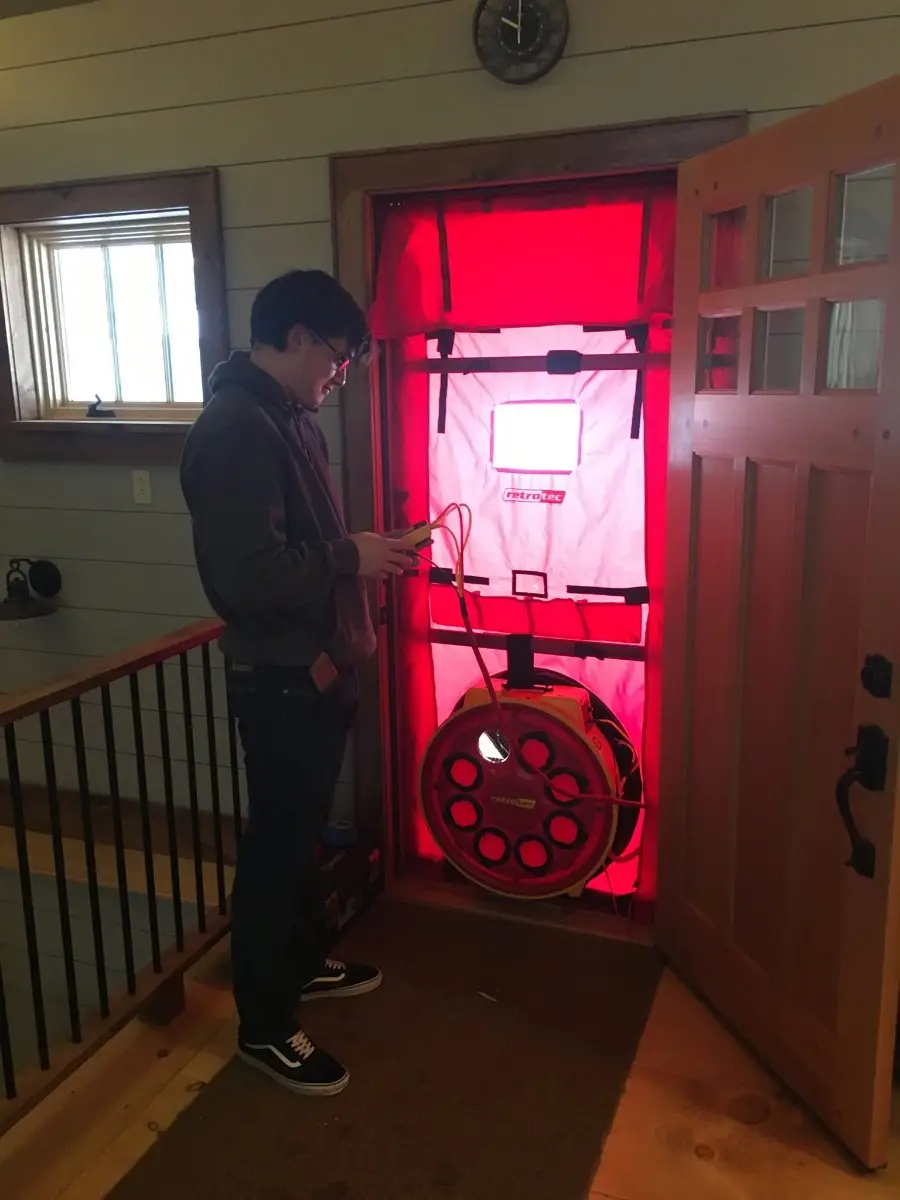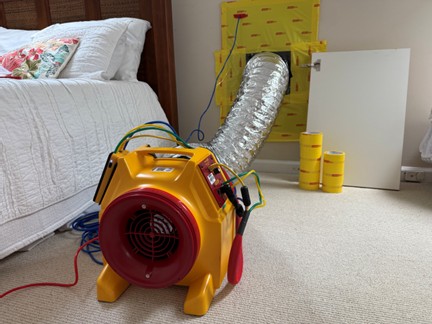
This video webinar discusses residential duct testers and components, including:
- ICC requirements vs. local jurisdictions
- Who can perform the duct test
- Duct Testing – Total Leakage
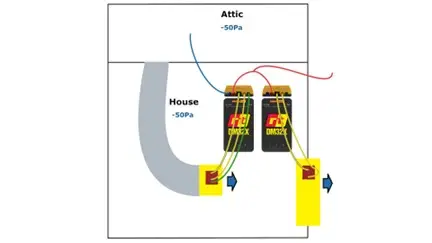
- Duct Testing – Leakage to Outdoors
- Alternative duct test method
ICC Requirements vs. Local Jurisdictions
The International Code Council (ICC) sets national standards for duct testing, including protocols for total leakage and leakage to outdoors.
However, local jurisdictions may adopt different or additional requirements, making it essential to know the rules in your area.
Understanding this helps ensure your testing meets both code and client expectations.
Who Can Perform Duct Testing?
Testing must be performed by qualified individuals such as certified energy auditors, HERS raters, or trained technicians.
The webinar highlights the importance of proper training and certification to guarantee accurate, reliable results.
Duct Testing Methods
Total Leakage Testing: Measures all the air escaping from the duct system regardless of location.
Leakage to Outdoors Testing: Focuses specifically on air leaks that escape outside the conditioned space, crucial for energy efficiency and indoor air quality.
Alternative Testing Methods: The video also introduces other accepted approaches, useful when traditional methods aren’t feasible.
Why This Matters
Proper duct leakage testing helps improve HVAC efficiency, reduce energy bills, and enhance indoor comfort.
Compliance with ICC and local codes is necessary for new construction approvals and energy program qualifications.
Using the right equipment and following correct procedures prevents retesting and costly delays.