Ventilation Strategies
Balanced ventilation (e.g., HRVs and ERVs) brings in fresh air while exhausting stale air to maintain pressure equilibrium
Exhaust-only systems use fans to remove air from specific areas (e.g., bathrooms), relying on passive inlets for makeup air
Supply-only systems push in fresh air while relying on building leakage paths for exhaust
Choosing the right strategy depends on climate, building tightness, and energy goals
Well-designed systems reduce pollutants, moisture, and energy waste.
Whole-House Mechanical Ventilation
ystems are designed to provide consistent, controlled air exchange throughout the entire building
Often integrated with HVAC systems or installed as standalone ventilation networks
Helps meet standards such as ASHRAE 62.2, which defines minimum ventilation rates for residential buildings
Must be properly sized, installed, and balanced to function effectively
Mechanical ventilation is increasingly necessary as buildings become more airtight.
Methods for Testing
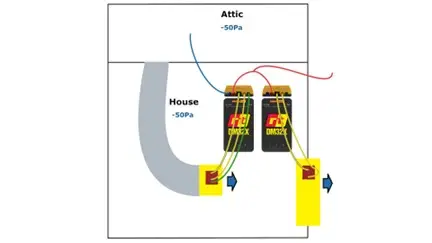
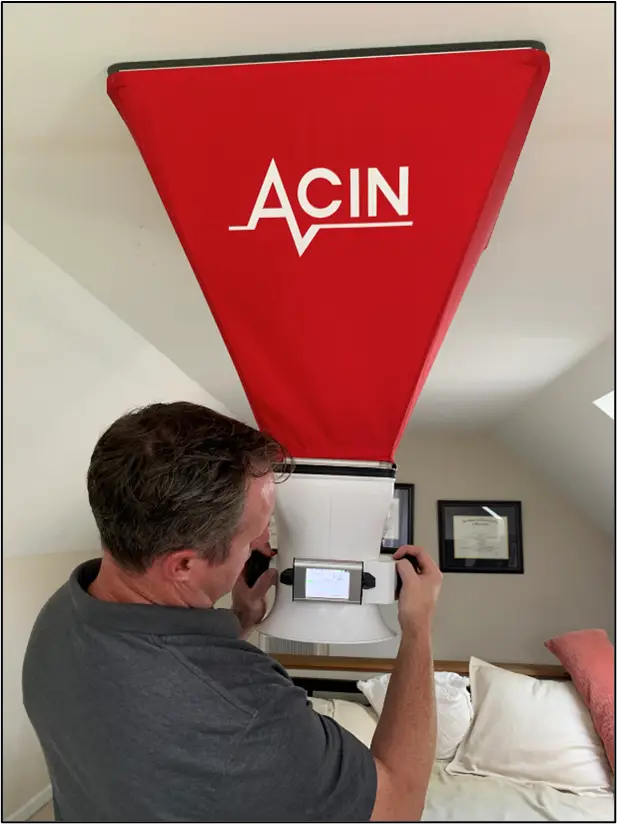
Flow hoods, anemometers, and duct testers measure actual airflows at grilles and terminals
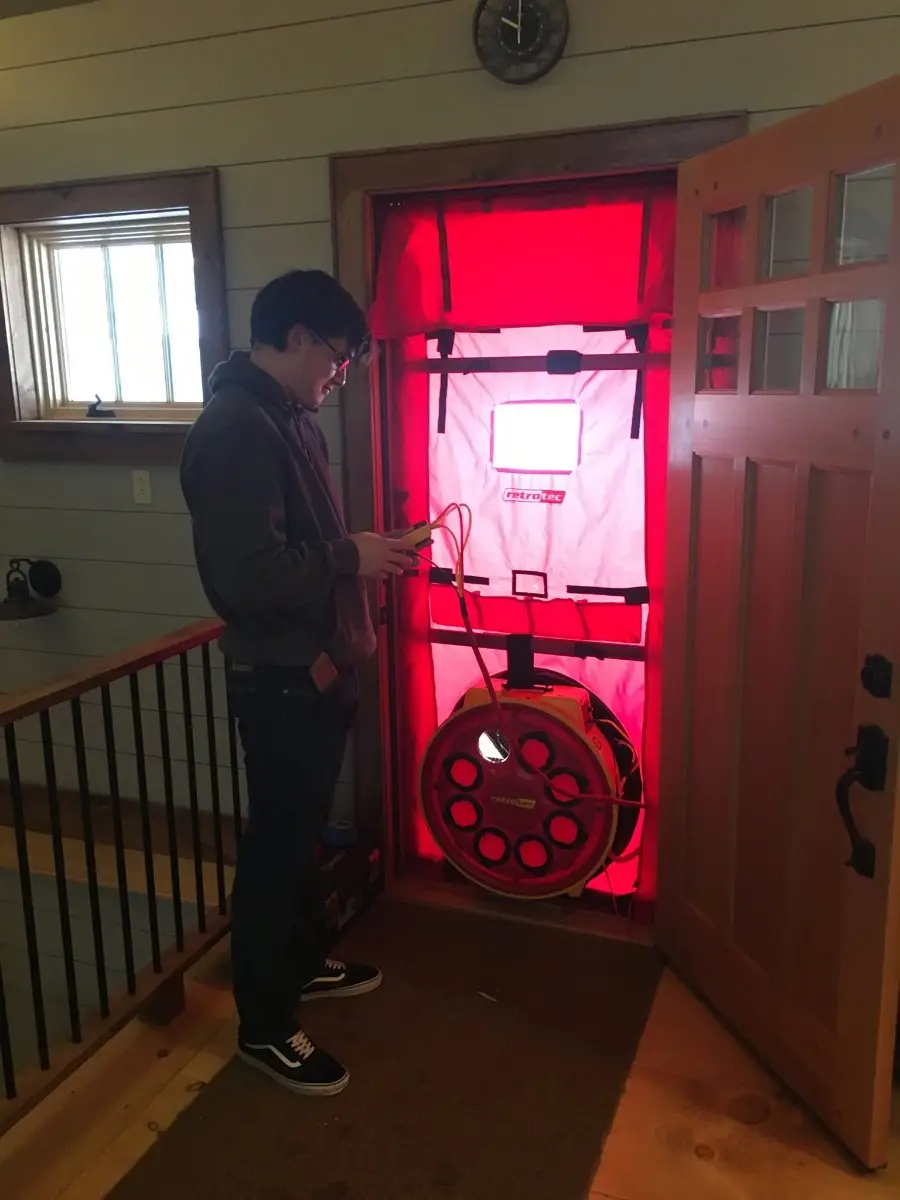
Blower door tests assess the interaction between ventilation systems and building pressure
FanTestic or similar software may be used to automate data logging and verify compliance
Testing ensures systems are performing to design specifications and delivering expected airflow
Routine testing verifies system performance and code compliance.
Common Faults in Ventilation Systems
Undersized or oversized ductwork
Improper duct routing leading to excessive bends or long runs
Poor sealing causing air leakage and energy inefficiency
Incorrect fan sizing or settings
Inadequate or blocked terminations reducing airflow or causing backdrafting
These issues can severely reduce system effectiveness and increase maintenance needs.
Proper Duct Installation and Termination
Ducts should be sized and routed for minimal resistance and maximum efficiency
All joints must be sealed with appropriate materials (e.g., mastic or UL-181 tape)
Terminations should be installed to prevent backdrafts and weather intrusion
Outdoor air intakes should be placed away from pollutants and exhaust outlets
Attention to ductwork layout and sealing is critical to system reliability.