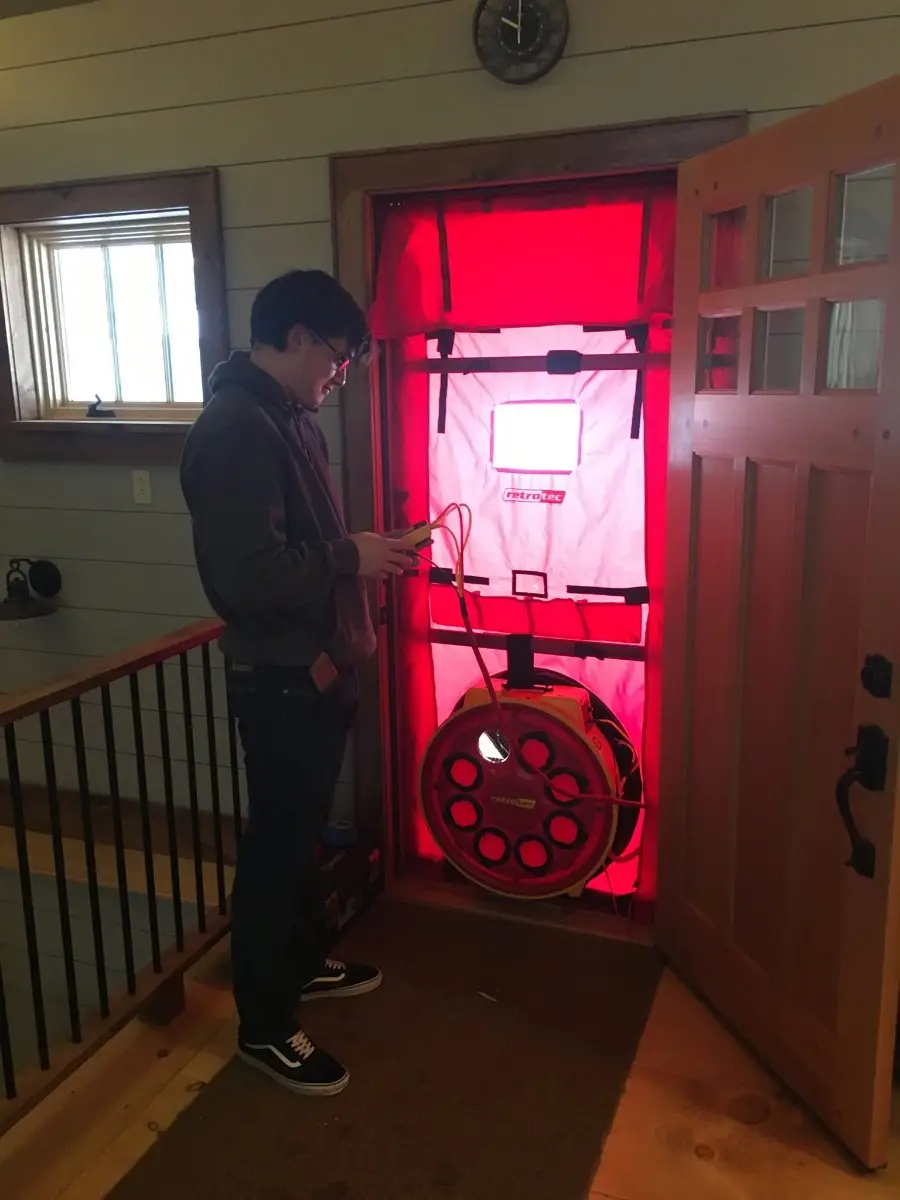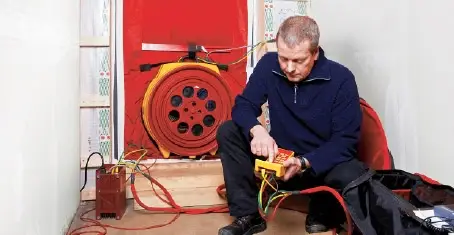
Learn about blower door testing in multifamily homes. The objectives of this video webinar include:
- Definition of Multifamily
- Investigative approach inspection & testing
- Common construction defects
- Pressure diagnostics & testing
See Retrotec’s line of multifamily blower doors. You can also view additional past videos or sign up for live webinars.
What Defines a Multifamily Building?
The video begins by clarifying what qualifies as a multifamily structure in the context of building codes and energy testing:
Typically 3 or more attached units under one roof
Shared walls, ceilings, or HVAC systems
Subject to IECC, ENERGY STAR, LEED, or local code requirements
May include low-rise apartments, townhomes, or mid-rise buildings with central corridors
Understanding how these buildings differ from single-family structures is essential to apply appropriate test protocols.
Investigative Approach to Inspection & Testing
Multifamily diagnostics require a step-by-step investigative mindset:
Plan review – Look at blueprints for shared ventilation, party walls, and air barriers
On-site visual inspection – Identify likely leakage paths (e.g., chases, dropped ceilings, shafts)
Zone analysis – Treat each unit or floor as a distinct pressure zone
Test selection – Choose between blower door, duct leakage, or guarded testing depending on goals
The speaker stresses the importance of early involvement to catch errors during construction, not after occupancy.
Common Construction Defects
Several recurring problems in multifamily builds can significantly impact performance testing:
Unsealed top plates and party wall penetrations
Uncapped chases or shafts that bypass air barriers
Shared mechanicals or ventilation systems that break isolation between units
Incomplete air sealing in inaccessible ceiling or attic spaces
These defects are often hidden behind finishes, requiring thermal imaging, smoke, or pressure diagnostics to reveal.
Pressure Diagnostics & Testing
Multifamily pressure testing is more complicated than standard single-family work:
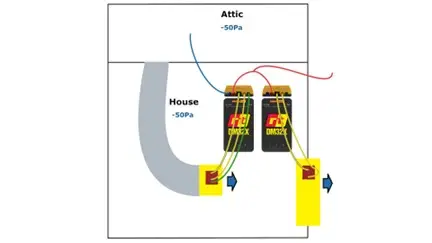
Use of multiple blower doors or guarded testing to isolate test zones
Pressure mapping between units, corridors, and outdoors
Importance of depressurization tests to expose inter-unit leakage
Adjusting for stack effect, wind pressure, and HVAC system status during testing
The webinar demonstrates example setups and explains how to interpret unexpected pressure readings between units.