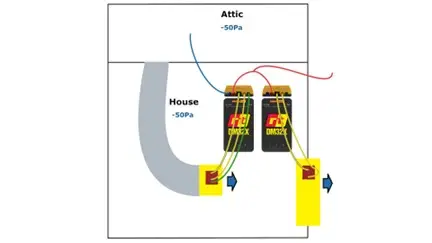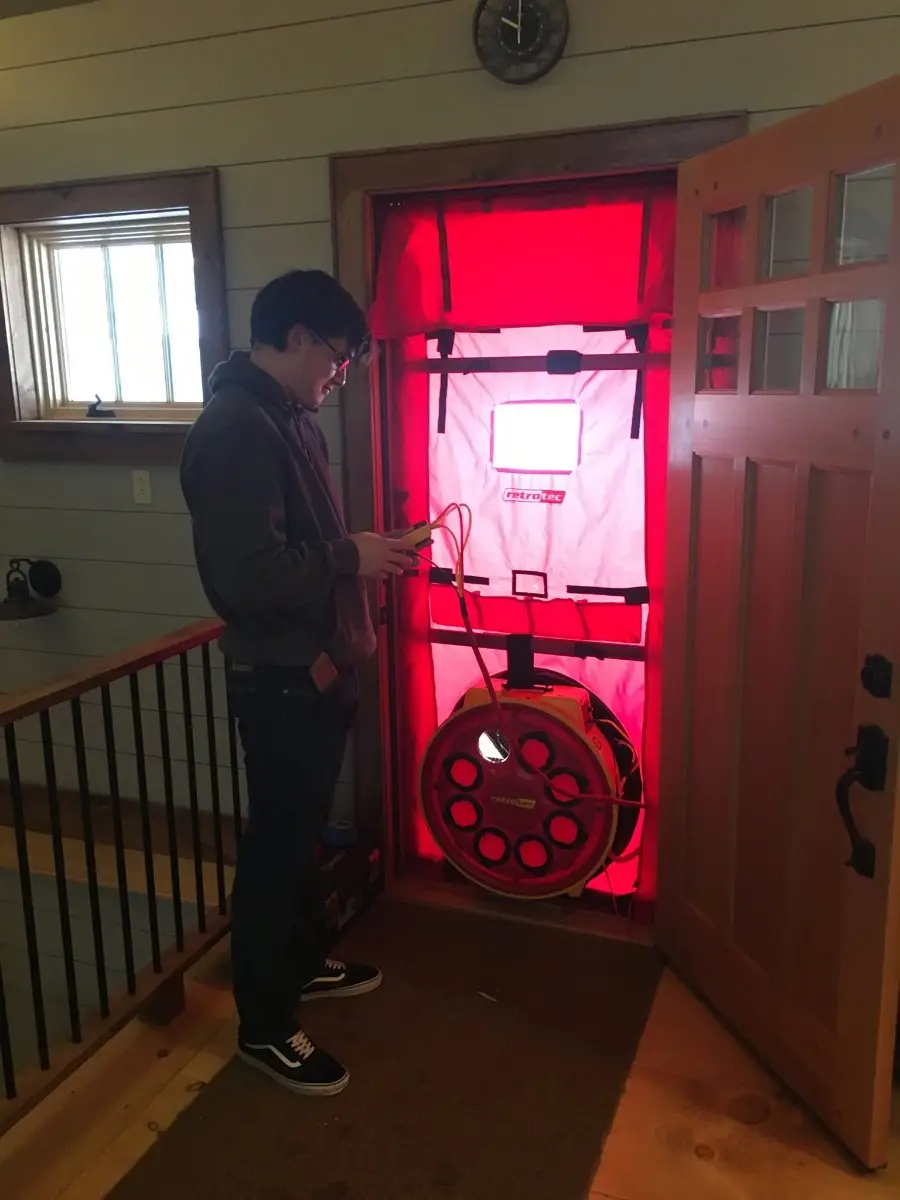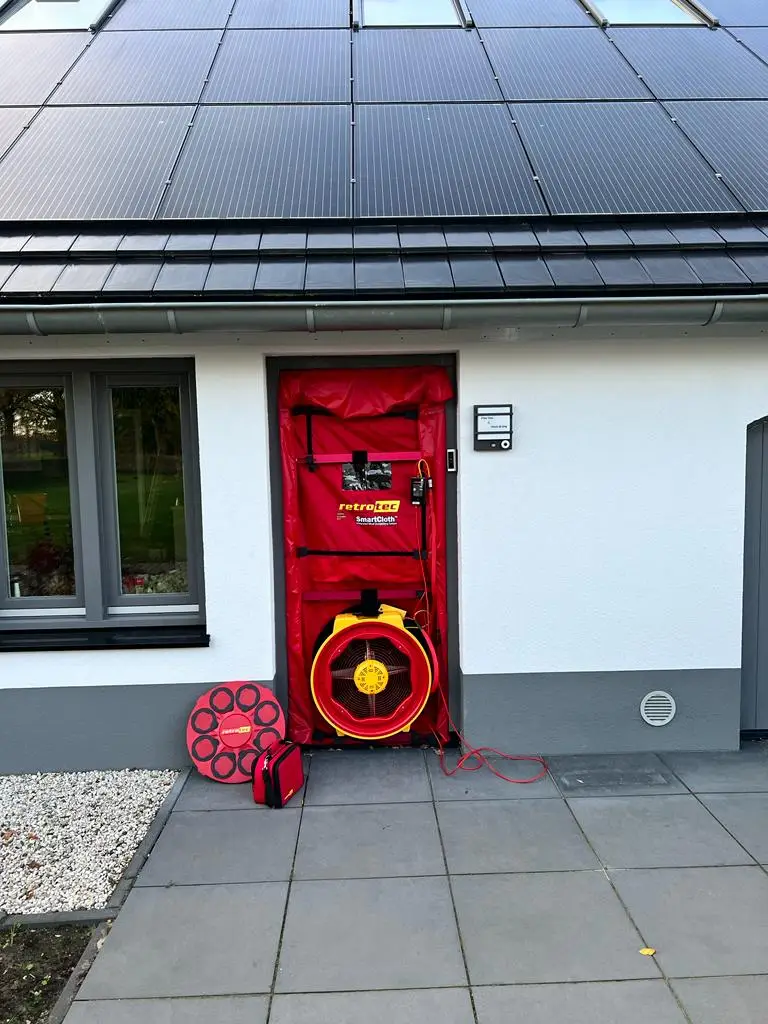
A blower door test is a way to measure the air permeability of buildings. The test is used to measure air infiltration, air leakage, and general air tightness in a building’s envelope. One of the main long-term benefits of blower door testing is to ultimately reduce the cost of energy bills by identifying, and then fixing, areas of energy loss.
For companies located in the Netherlands, new fiscal benefits now exist to further incentivize taking action.
The costs of a blower door test can be eligible for an energy investment deduction, if said test is performed in combination with energy investments that comply with code 210401, code 210402, or code 210403.
Additionally, costs for a thermographic examination and smoke test to identify air leakage locations may also qualify.
The blower door test must be done according to NEN 2686 or NEN-EN-ISO 9972 by a certified company, and the thermographic inspection must be done in accordance with NEN-EN 13187. The costs of a blower door test can only be reported once and cannot be allocated to other energy investments.
This means that a company can hire someone to do the test, and deduct 145.5% of the cost from their bottom line (instead of 100% of the cost).
For more information about this program, click here.