Learn about Passive House Testing in this video webinar, featuring Independent Trainer J. West along with Kevin Brennan, Passive House Academy Building Science Consultant/Trainer.
- Tests needed to qualify as a passive house
- Why we are seeing an increase in passive house construction
- Best practices for testing
- Tools for great tests
Retrotec is pleased to present educational information about the blower door and duct testing industries. Watch related videos on Passive House Testing, or sign up for live webinars.
Required Tests for Passive House Certification
To meet Passive House standards, a building must pass two main tests:
Blower Door Test (Airtightness Test)
Measures how much air leaks through the building envelope
Must achieve ≤ 0.6 ACH50 (Air Changes per Hour at 50 Pascals)
Conducted at both 50 Pa depressurization and pressurization
Thermal Envelope Inspection
Verifies insulation continuity and thermal bridge mitigation
Often supported by infrared thermography and visual checks
Additional tests may include:
Ventilation system commissioning
Mechanical system balancing
Moisture and dew point analysis
Why Passive House Construction Is Increasing
Several factors are driving the rise in Passive House adoption:
Energy efficiency and comfort are top priorities for modern homeowners and developers
Code requirements and incentives are increasingly aligned with Passive House principles
Greater awareness of climate impact and building durability
Advances in tools and materials make certification more accessible than ever
Passive House is especially attractive for multifamily projects, high-performance retrofits, and cold climate construction.
Best Practices for Testing Passive Houses
Accurate testing is essential for certification—and for avoiding costly retesting or rework. Key tips include:
Test early: Perform preliminary blower door tests during construction to catch problems
Seal intentional openings: Cover ERV/HRV intakes and exhausts during airtightness testing
Use both pressurization and depressurization modes for a full picture
Be meticulous with test documentation, including pre/post-test conditions, environmental factors, and setup photos
Work with a Certified Passive House Consultant (CPHC) or Rater for quality assurance
Tools That Deliver Great Tests
Reliable equipment is critical. Recommended tools include:
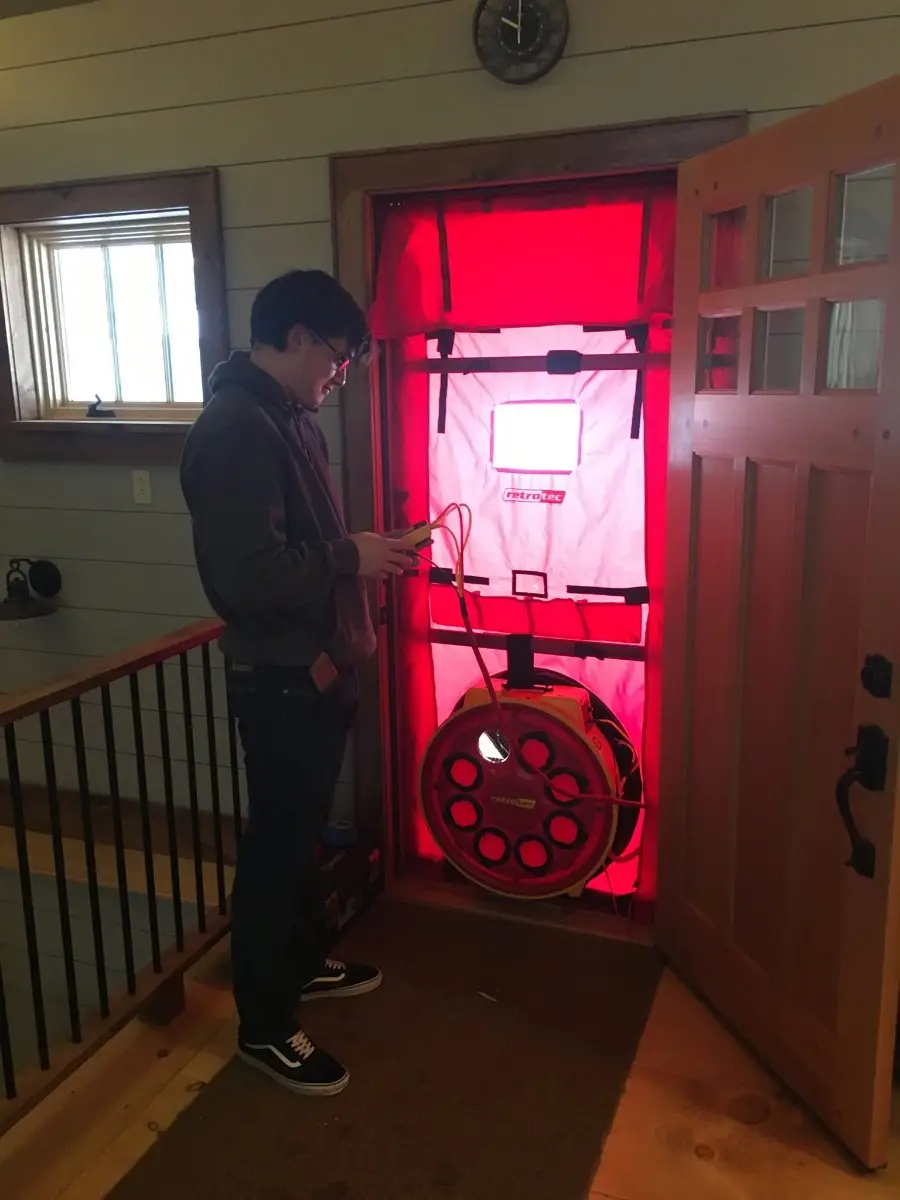
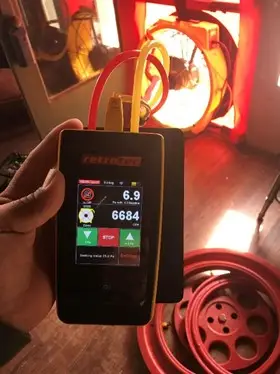
Blower door system with a digital pressure gauge (e.g., Retrotec DM32)
Calibration-verified fans and gauges
Tubing kits and air-sealing accessories
Thermal imaging camera for envelope verification
Data logging and reporting software (such as FanTestic or Virtual Gauge)
These tools ensure repeatability, compliance, and smooth collaboration with Passive House certifiers.