- Most effective methods for in-house training
- Why Training = Quality Assurance
- Building your team’s effectiveness (office & technicians)
- Converting technicians into trainers
- Converting technicians into a willing sales force
Most Effective Methods for In-House Training
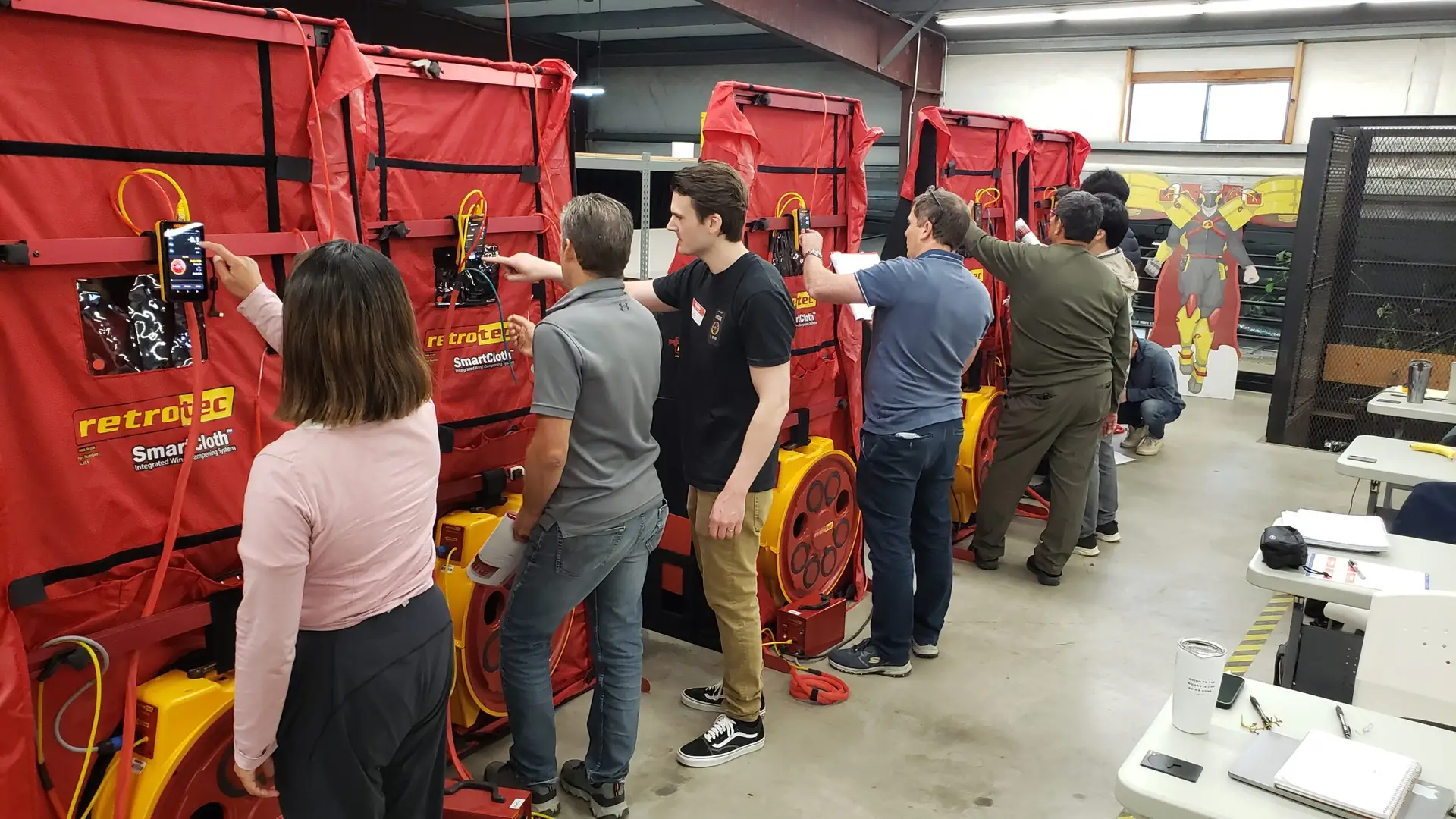
Mixed Learning Modes: Combine short online modules, webinars, hands-on simulations, and scenario-based drills.
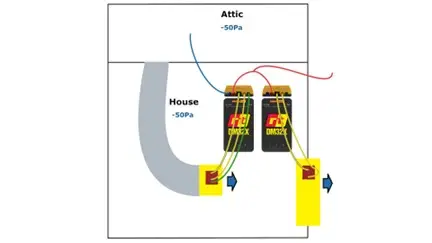
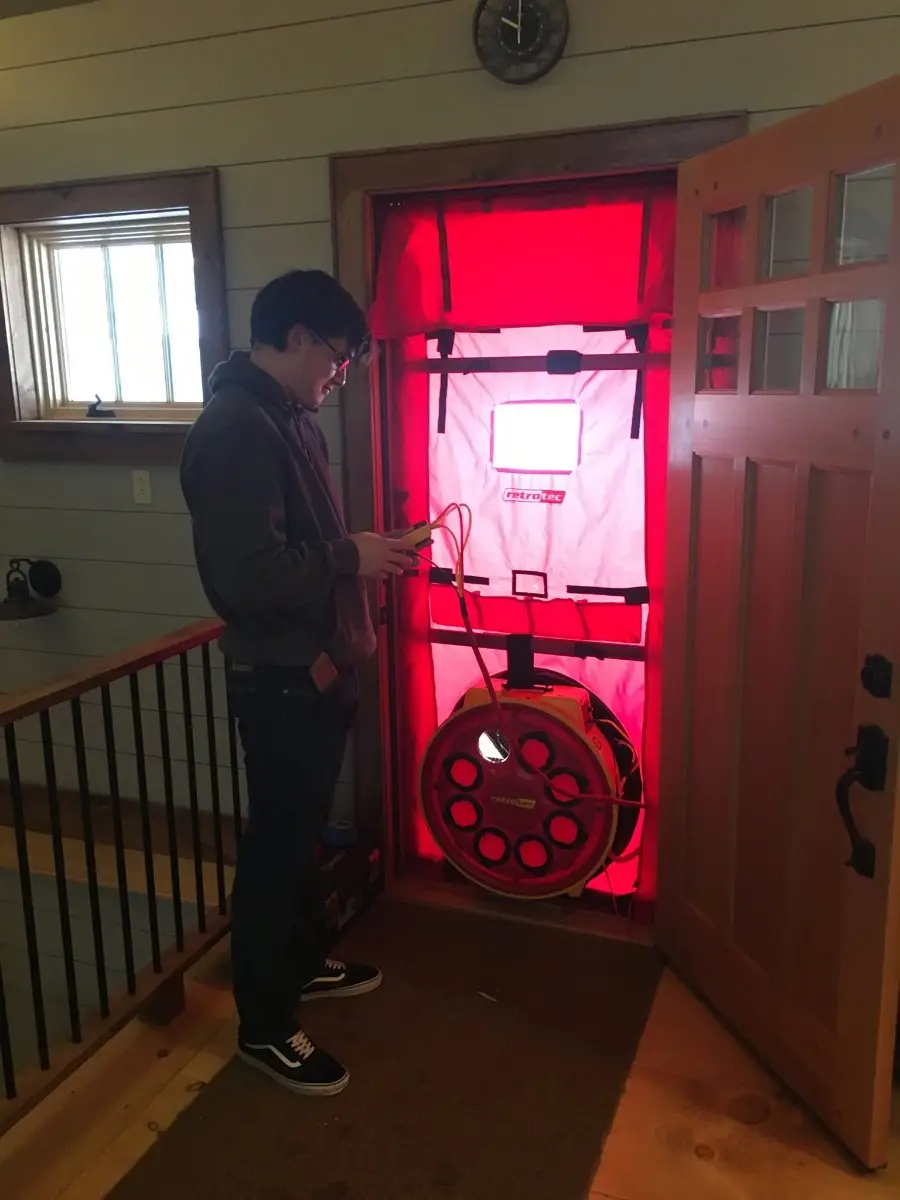
(turn0search14)Use Simulators & QuickGuides: Retrotec includes compact training simulators for blower doors and duct testing setups. These let trainees physically walk through steps before moving into real-world jobs.
(turn0search14)
Why Training = Quality Assurance
Consistent, standardized training ensures every technician follows the same proven procedures—reducing error and improving test consistency.
(turn0search1)Active verification: Training modules include knowledge checks or quizzes, reinforcing that technicians truly absorb the content (e.g. Retrotec’s online certification exams require 100% pass rate).
(turn0search10)
Building Your Team’s Effectiveness (Office & Technicians)
Office Personnel should understand basic blower-door concepts, report logistics (using Retrotec’s report generator), and client communication protocols.
Technicians should be proficient in system setup, gauge operation (DM‑32, FanTestic), troubleshooting, and using apps like GaugeRemote or Data Logger.
Retrotec’s structured online courses and certification (e.g. DM-32 residential blower-door, DucTester certification) reinforce both administrative and field roles.
(turn0search2, turn0search17)
Converting Technicians into Trainers
Empower senior technicians with “Train-the-Trainer” modules, where they learn not only the how, but the why behind processes.
Use in-classroom simulations, feedback loops, and in-field mentorship to build teaching skills.
(turn0search14)Having internal trainers ensures that team knowledge stays current as new equipment or software arrives, and reduces training costs over time.
Converting Technicians into a Willing Sales Force
Train field teams to explain the value of blower-door and duct testing directly to customers: comfort, energy savings, code compliance.
Provide scripting tools and report templates they can share on-site—helping close the loop from test to seal to sale.
When technicians share test results visually during walkthroughs, clients convert faster and trust the process more.