What Happens in the Calibration Laboratory
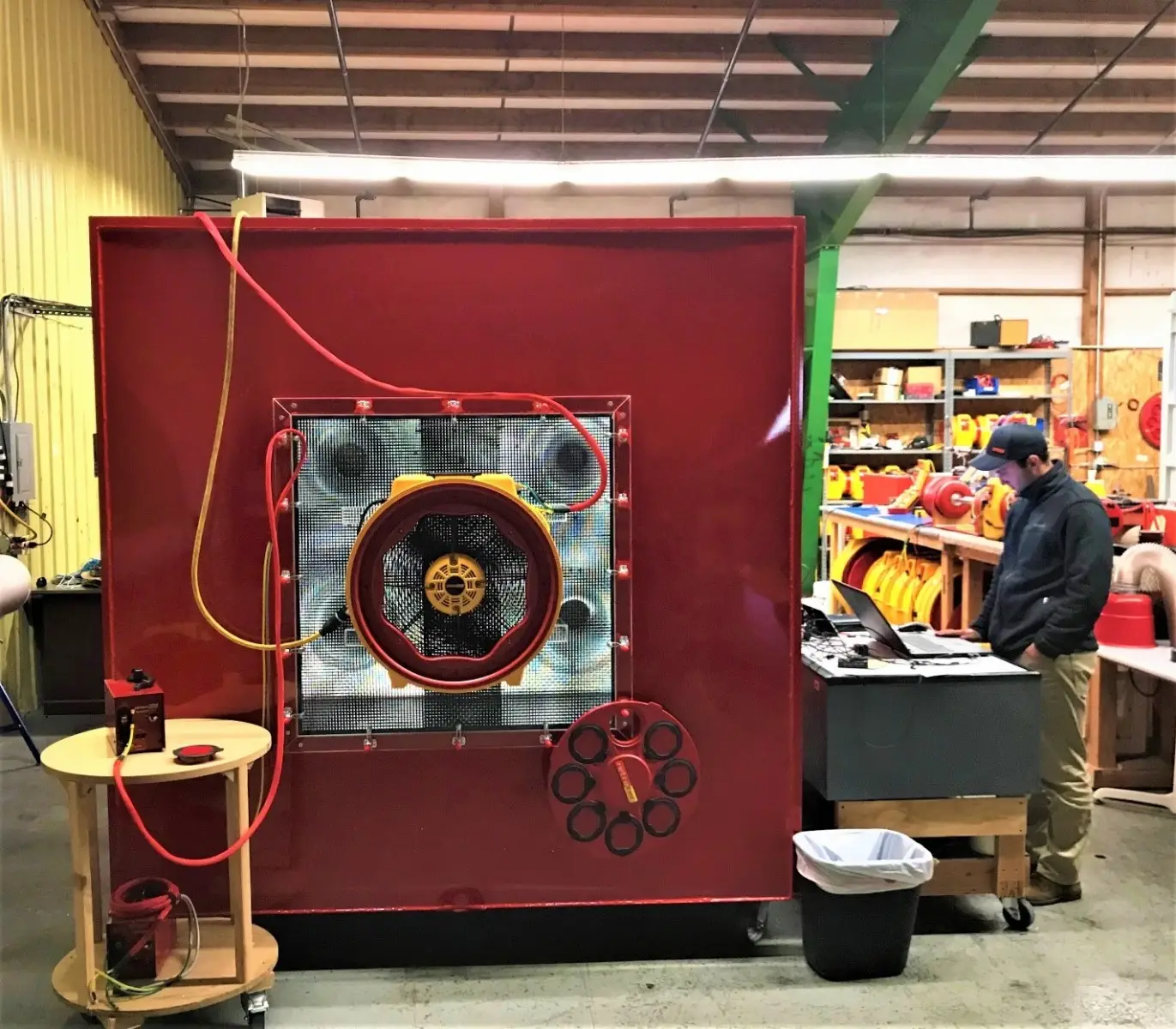
Retrotec calibrates fans and gauges to ISO/IEC 17025 standards, ensuring traceability to NIST and alignment with measurement standards like ASTM E1554 and ANSI/RESNET/ICC 380.
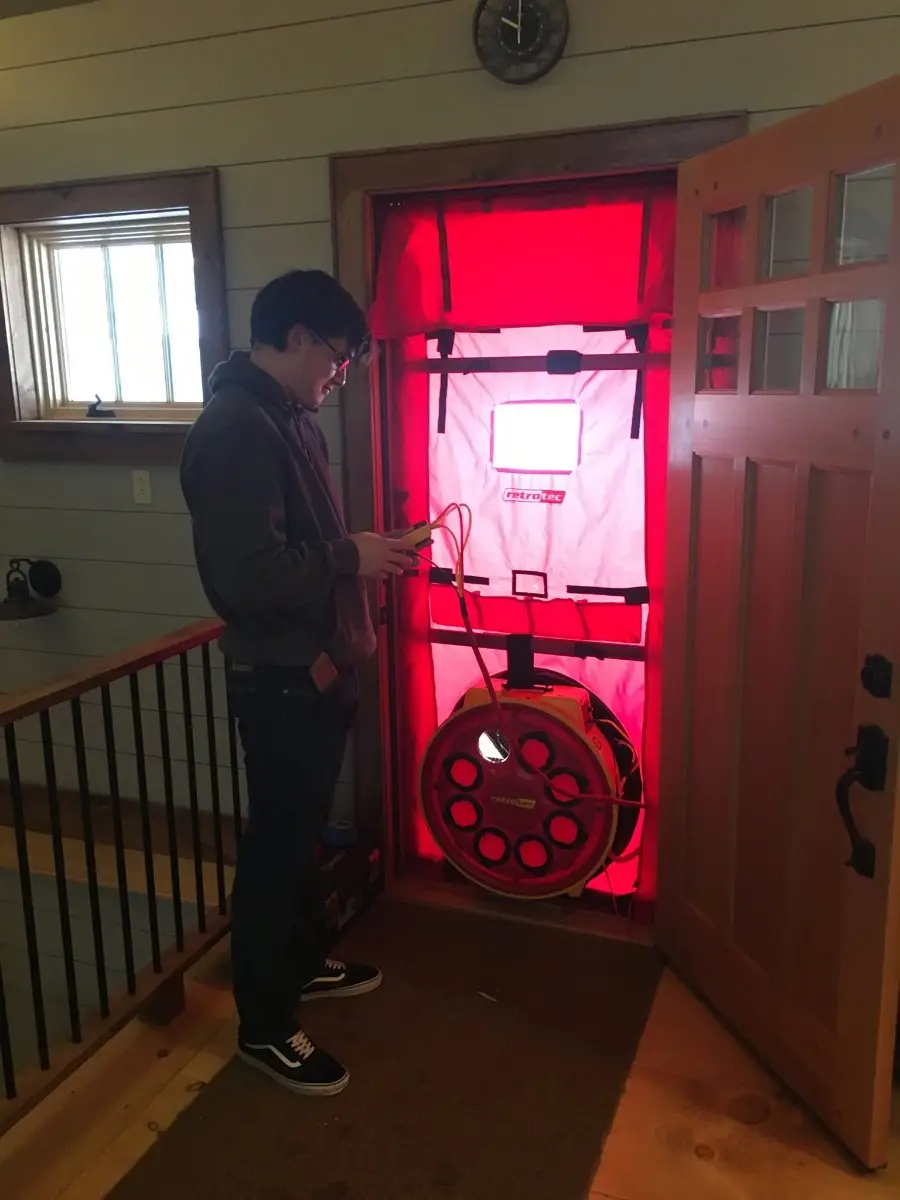
Fans (e.g., blower-door and DucTester models) are tested over their full operating range with matching range plates, verifying their airflow vs. pressure curves.
Gauges—including DM‑32 and legacy manometers—are cross-checked under controlled pressure conditions to certify accuracy across all channels.
What the Retrotec Calibration Process Covers
Fan Testing: Verified for consistency across all airflow ranges and control settings.
Gauge Testing: Observes accuracy under simulated field conditions.
Full System Check: Assembles the fan‑gauge‑tubing setup to validate real-world measurement behaviors, including fan control and compensation factors.
Final Certification: Documents calibration certificates, device serials, and range configurations for traceability.
Self‑Check Procedures You Can Do in the Field
You can’t perform the actual calibration in the field—but you can verify your equipment stays accurate using this short checklist:
Gauge and Tubing Field Check
Conduct a cross-port pressure check: connect one tube between the gauge’s two channels and ensure readings match within ±2%.
Repeat this for each tubing connection to ensure no blockages, pinches, or water droplets are skewing results.
Fan Operational Check (e.g. DucTester)
Use a calibrated flow plate at 25 Pa to test the fan’s output.
Flow should fall within the certified range (typically ±3–5%).
If it deviates, refer to troubleshooting (e.g. range plate mismatch, control errors, flow plate damage).
Self-checks should be done before every major testing campaign or at least monthly during heavy use.
Why Calibration Matters—and How to Maintain Accuracy
Calibration is foundational, setting your initial accuracy and performance claims.
Field checks uphold precision by detecting drift, tubing faults, or control errors before they invalidate a test.
Emphasize QA (Quality Assurance) by training staff on these checks and integrating them into standard operating procedures—rather than relying solely on post-test QC.
Summary Table
| Component | Laboratory Calibration | Field Self‑Check |
|---|---|---|
| Fan | Full airflow vs. pressure performance | Flow plate test at 25 Pa (within ±5%) |
| Gauge | Channel accuracy over pressure range | Cross-port check: readings within ±2% |
| Tubing & Connections | Verified during assembly | Check for pinches, leaks, or water in fittings |
| Reporting Protocols | Accredited certificate documentation | Field logs noting checks and thumbs-up or issues |